


Rhinoplasty

About this page
- Last updated
About the procedure
Rhinoplasty is a “nose reshaping” procedure that changes the size, shape or overall appearance of your nose for medical or cosmetic reasons. It can also help improve breathing if there are structural issues inside the nose.
People may have a rhinoplasty to:
- fix changes caused by an injury
- correct a structural problem, such as a deviated septum
- help open the nasal passages to make breathing easier
- change the appearance of their nose
What to expect
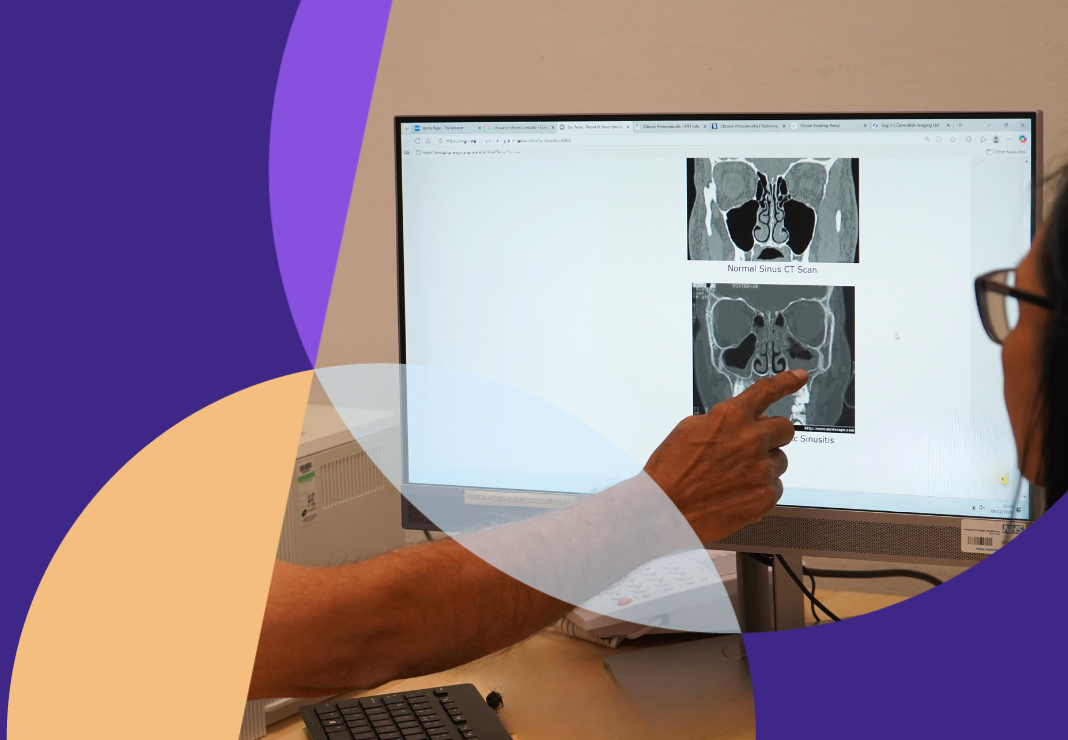
Preparation: You will meet with one of our expert surgeons to discuss your medical history and the best approach for your procedure. Your surgeon may use imaging software to show you likely outcomes and help set realistic expectations.
Procedure: You will be given an anaesthetic during the procedure to keep you comfortable and relaxed throughout the surgery. Your surgeon may work inside the nostrils or make a small incision at the base of the nose. This allows them to reshape the bone and cartilage beneath the skin.
To refine the shape of your nose, cartilage may be:
- taken from inside the nose or the ear for small adjustments
- taken from one of your ribs or donated human cartilage may be used
Once the reshaping is complete, the skin is placed back into position, and the incisions are closed with stitches. If you have a deviated septum (a crooked nasal divider), this can be straightened at the same time to help improve breathing.
Aftercare: After your surgery, you will be taken to a recovery area where the team will monitor you as you wake up. Most patients go home the same day whereas some may stay overnight, if needed.
After your surgery you will need to rest with your head raised above your chest, as this helps reduce swelling and bleeding. It’s normal for your nose to feel blocked or stuffy in the first few days because of swelling inside the nose or from the biodegradable material placed inside the nose at the end of the procedure.
You will also have a nasal cast on the outside of your nose to protect and support it while it heals. This is typically kept on for about one week.
During your recovery:
- avoid strenuous activities such as heavy lifting or vigorous exercise
- bruising and swelling generally start to improve after around seven days
- you will have follow‑up appointments so your surgeon can check your progress and remove the cast, packing material and sutures, if any
- you may be able to return to work after seven days if you have a desk‑based job
Why choose us?
Our patients benefit from a combination of clinical expertise, advanced techniques and a truly personalised experience. Your rhinoplasty will be performed by highly skilled, surgeons, many of whom are also leading academics from Imperial College London, ensuring you receive care informed by the latest research and evidence‑based techniques.
Our team offers innovative approaches such as ultrasonic rhinoplasty using the Piezotome. This technology uses delicate ultrasonic vibrations to reshape the nasal bones with greater precision, less trauma, reduced swelling, and smoother recovery. The technique also allows for improved control and visualisation during surgery, helping deliver refined and predictable results.
If you are considering rhinoplasty, our expert team can guide you through the process and make sure you feel confident about your decision.
If you have any questions or would like to schedule a consultation to find out more, please contact us:
Call: +44 (0) 20 3311 7700
Email: imperial.private.healthcare@nhs.net